March 2026

The Science of Color in Skincare

The Science of Color in Skincare: What Your Products’ Colors Really Mean Walk into any skincare aisle and you’ll notice something immediately: color is everywhere. From calming greens to vibrant oranges and soothing blues, skincare products are often associated with specific shades that promise certain benefits. But are these colors just marketing—or do they actually tell us something about the ingredients inside? The truth lies somewhere in between. Color psychology influences how we perceive skincare products, but certain hues are also linked to ingredients known for specific skin benefits. Let’s decode what these colors typically represent and what they can reveal about your skincare routine. Why Color Matters in Skincare Color psychology plays a powerful role in consumer perception. Brands intentionally use certain colors to communicate the feeling or function of a product. For example: However, it’s important to remember that the color itself doesn’t guarantee effectiveness. Many product colors come from dyes or botanical extracts rather than the active ingredients responsible for the results. That’s why the ingredient list always tells the real story. Yellow & Orange Skincare: Brightening Powerhouses Products with yellow or orange tones are usually associated with radiance and skin-brightening effects. Key Ingredients Common ingredients found in these formulations include: Benefits These ingredients are powerful antioxidants that help: Vitamin C in particular is one of the most popular brightening ingredients in modern skincare. Fun Fact Vitamin C serums are sensitive to air and light. If your serum turns brown, it means it has oxidized and is losing its potency. Best For Yellow/orange skincare products are ideal for people dealing with: Blue Skincare: The Hydration Experts Blue skincare products are often designed to hydrate and strengthen the skin barrier. Key Ingredients You’ll frequently find: Benefits These ingredients help: Fun Fact Blue tansy oil gets its vibrant color from chamazulene, a compound with natural anti-inflammatory properties. Best For Blue formulas are perfect for: Green Skincare: Calm & Repair Green skincare products are typically associated with soothing and anti-inflammatory care. Key Ingredients These products often contain: Benefits Green ingredients are known to: Fun Fact Centella asiatica has been used for centuries in Ayurvedic and Asian medicine for wound healing and skin repair. Best For Green skincare products are ideal for: Pink Skincare: Gentle Glow While not always tied to a specific active ingredient, pink skincare is often associated with softness and glow-enhancing formulas. These products frequently contain ingredients that: The pink tone is often used to create a perception of softness, luxury, and skin luminosity. The Reality Check: Don’t Trust Color Alone Although color can give hints about a product’s purpose, it should never be your only guide. Many formulations are artificially colored, and some powerful actives—like niacinamide or peptides—are completely colorless. When evaluating skincare products, always focus on: Color may attract your attention, but ingredients determine performance. Skincare by Color: Decode Your Routine If you look at your skincare shelf, you might notice a pattern: Using products that address different skin needs can help create a balanced routine that supports your skin at every level. ✨ In the end, color is both science and storytelling in skincare. It guides expectations, highlights ingredients, and makes products more engaging—but true skin transformation always comes from what’s inside the formula.

The Science of Color in Skincare Read More »
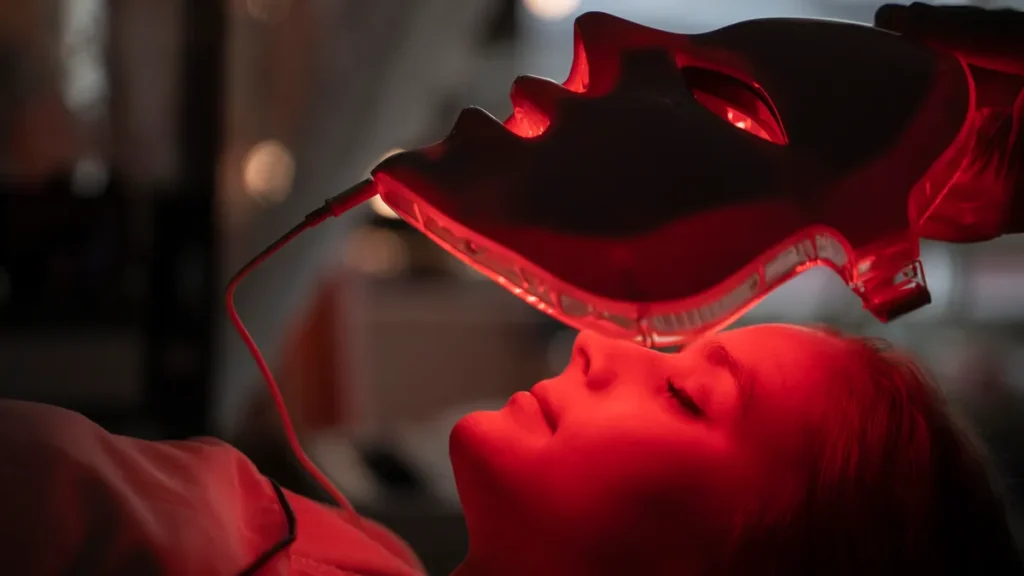
Top 5 At-Home Red Light Therapy Devices

Top 5 Best At-Home Red Light Therapy Devices (2026 Review) Red light therapy has quickly become one of the most popular skincare technologies for improving skin tone, reducing wrinkles, and boosting collagen production. What used to require expensive dermatology treatments can now be done at home with compact LED devices designed for daily use. But with dozens of masks, panels, and handheld tools available, choosing the right device can feel overwhelming. To help you make an informed decision, we researched and compared the top-selling red light therapy devices for home use based on: Below are the top 5 red light therapy devices currently available. How Red Light Therapy Works Red light therapy uses specific wavelengths of light (typically 630nm–850nm) that penetrate the skin to stimulate cellular activity. Studies suggest these wavelengths can help: With consistent use, many people report smoother skin, brighter complexion, and improved firmness. Quick Comparison: Best Red Light Therapy Devices Device Best For Price Range CurrentBody Skin LED Mask Best Overall ~$380 MitoPRO+ Most Versatile ~$369 Dr. Dennis Gross FaceWare Pro Luxury Option ~$455 Solawave Wand Best Budget Tool ~$207 Omnilux Contour Mask Premium Comfort ~$395 1. CurrentBody Skin LED Light Therapy Mask (Best Overall) Price: ~ $380Best For: Anti-aging, wrinkles, dull skin Pros Cons Why We Ranked It #1 The CurrentBody LED mask combines comfort, ease of use, and clinically backed technology. The flexible design makes it easy to wear while relaxing, which helps users stay consistent with treatments. Consistency is the key to red light therapy results, and this mask makes that simple. 👉 Check Latest Price 2. MitoPRO+ (Most Versatile Device) Price: ~ $369 Pros Cons Why It Stands Out The MitoPRO+ works more like professional red light panels used in clinics. While less convenient than masks, it offers more powerful light output and versatility. 👉 See Full Specs 3. Dr. Dennis Gross DRx SpectraLite FaceWare Pro Price: ~ $455 Pros Cons Best For Luxury Skincare This device combines anti-aging and acne treatments in one mask. It’s ideal for users who want a premium skincare device and shorter treatment sessions. 👉 View Details 4. Solawave Wand (Best Budget Option) Price: ~ $207 Pros Cons Why People Love It The Solawave wand is extremely popular because it combines multiple skincare technologies in one small device. It’s also one of the most affordable ways to try red light therapy. 👉 Check Availability 5. Omnilux Contour Face Mask (Most Comfortable Premium Mask) Price: ~ $395 Pros Cons Why It Made the List The Omnilux mask is well known in the dermatology community and offers a comfortable, flexible design. It’s a solid choice for users who want a premium wearable LED mask. 👉 Learn More How to Choose the Best Red Light Therapy Device When choosing a red light therapy device, consider the following factors. Device Type LED Masks Handheld Devices Panels Treatment Time Some devices require 3 minutes, while others take 10–20 minutes. Choose one that fits easily into your daily routine. Wavelength Technology Look for devices using 630nm – 660nm red light or near-infrared (800–850nm). These wavelengths are commonly used in clinical studies. Do At-Home Red Light Therapy Devices Really Work? Many dermatologists agree that red light therapy can help support skin health when used consistently. However, results depend on several factors: Most people begin noticing improvements after 4–8 weeks of regular use. Final Thoughts Red light therapy devices can be a powerful addition to your skincare routine when used consistently. Here’s a quick recap of our top picks: Best Overall: CurrentBody Skin LED MaskBest Luxury Device: Dr. Dennis Gross FaceWare ProBest Budget Option: Solawave WandMost Versatile: MitoPRO+Most Comfortable Mask: Omnilux Contour If you’re looking for the best balance of results, convenience, and comfort, the CurrentBody LED Mask remains one of the most popular choices.

Top 5 At-Home Red Light Therapy Devices Read More »