
On this page
- AHA vs BHA vs PHA at a glance
- What is AHA and BHA?
- What is the difference between AHA and BHA?
- Glycolic acid vs salicylic acid: which one should you use?
- Does AHA make your skin more sensitive to the sun?
- How strong should AHA and BHA products be?
- Are PHAs gentler than AHAs and BHAs?
- Can you use AHA and BHA together?
- Your next step
Quick answer: AHAs (alpha hydroxy acids) such as glycolic and lactic acid dissolve in water and exfoliate the skin’s surface, so they suit dullness, rough texture and uneven tone. BHA (beta hydroxy acid) means salicylic acid, which dissolves in oil and works inside pores, so it suits blackheads, clogged pores and oily skin. AHAs raise sun sensitivity more.
We read 17 studies and official sources for this AHA vs BHA guide, from the FDA’s own sunburn tests to a 12-week head-to-head of PHA and AHA routines, so every claim below links to where it came from. (I also named my two exfoliant bottles Glenn and Sal. Glenn is the glycolic, Sal is the salicylic, and I heard how that sounds the second I said it out loud.)
AHA vs BHA vs PHA at a glance
| AHA | BHA | PHA | |
|---|---|---|---|
| Common names on the label | Glycolic, lactic, mandelic acid | Salicylic acid (sometimes willow extract) | Gluconolactone, lactobionic acid |
| Dissolves in | Water | Oil | Water |
| Where it works | The skin’s surface | The surface and inside oily pores | The surface, more slowly |
| Best for | Dullness, rough texture, uneven tone, fine lines | Blackheads, whiteheads, oily and breakout-prone skin | Sensitive skin and first-timers |
| Irritation | Glycolic is the strongest. Lactic is milder | Usually mild. Can sting on broken skin | Less stinging than glycolic in a 12-week study |
| Sun sensitivity | Up 18% after 4 weeks in FDA research | 2% did not raise sunburn markers in an FDA-led study | Not tested in those FDA studies |
| Everyday strength | 10% or less, pH 3.5 or higher (industry safety panel) | 0.5% to 2% in US over-the-counter acne products | A 14% lotion was used in an acne trial |
Sources: FDA on alpha hydroxy acids, FDA on beta hydroxy acids, Kornhauser 2009, FDA acne ingredient rules, Smith 1996, Edison 2004, Hunt 1992, DermNet.
What is AHA and BHA?
AHA and BHA are two families of hydroxy acids used as chemical exfoliants. They loosen the bonds that hold dead skin cells together, so the cells shed faster and the surface looks smoother. AHAs include glycolic, lactic and mandelic acid. In skin care, BHA almost always means salicylic acid, found in cleansers, toners, serums and peels.
“Chemical exfoliant” sounds like something that should come with goggles and a permission slip. It’s gentler than it sounds, and the FDA explains that how much it peels “depends on the type and concentration of the AHA, its pH, and other ingredients in the product” (FDA). So two bottles that both say “AHA” can behave very differently, which is also true of Glenn and his cousin in the travel bag.
Cleveland Clinic physician assistant Samantha Stein, PA-C, describes AHAs as loosening “that glue” and removing “the dead cells that gunk up the top layer of our skin” (Cleveland Clinic). “Gunk up” is now my favorite phrase in all of dermatology, and I’m not taking it back. [Writes it on the bathroom mirror in steam. Regrets nothing.]
BHA is a shorter list. The FDA says it can show up on labels as salicylic acid, sodium salicylate, willow extract, beta hydroxybutanoic acid, tropic acid or trethocanic acid (FDA). Trethocanic acid sounds like the villain in a space movie, and yet here it is, hiding in a toner.
What is the difference between AHA and BHA?
The main difference is what they dissolve in. AHAs are water-soluble, so they work on the skin’s surface and suit dullness, rough texture and uneven tone. BHA, meaning salicylic acid, is oil-soluble, so it can move into oily pores and loosen the plug inside, which is why it’s the usual pick for blackheads and clogged pores.
“BHAs like salicylic acid get really deep into the pores, whereas the water-soluble ones don’t go as deep.”
Samantha Stein, PA-C, Cleveland Clinic
Picture it like this. Glenn polishes the front window, and Sal takes the stairs down to the basement. (I have never owned a basement. I’m committed to the metaphor anyway.)
A review of salicylic acid in dermatology explains that it’s lipid-soluble, unlike glycolic acid, so it mixes with the oils inside hair follicles, and adds: “Being a comedolytic agent, SA is used in many topical acne preparations” (Arif 2015). Comedolytic means it breaks up comedones, the clogged pores behind blackheads and whiteheads. I had to look that up twice, which is once more than I’d like to admit on the internet.
The same review says salicylic acid’s anti-inflammatory effect is strongest between 0.5% and 5%. That’s the reason it shows up in so many breakout products, and the reason it’s the first ingredient in our guide to sebaceous filaments and what shrinks them. If your bumps are skin-colored and never come to a head, our guide to clearing closed comedones covers that exact kind of clogged pore.
Glycolic acid vs salicylic acid: which one should you use?
Choose glycolic acid if your main goal is smoother, brighter skin with fewer rough patches or dark marks. Choose salicylic acid if you get blackheads, whiteheads or oily breakouts. Dry or sensitive skin often does better with lactic acid, a milder AHA, and combination skin can use both on different nights.
Glycolic acid is the smallest AHA, which is its whole personality. Angela Wei, MD, a dermatology resident, told Cleveland Clinic: “Since glycolic acid is so small, it can penetrate the skin more easily than other acids and be a bit more effective” (Cleveland Clinic). Small and effective. I’d put that on a T-shirt, but I’d spill coffee on it by lunch.
The trade-off is irritation. Stein warns: “Glycolic acid can be very strong and irritating… You’ll want to start slowly” (Cleveland Clinic). Dr. Wei suggests once or twice a week at night, working up to nightly only if your skin is happy, and says over-the-counter glycolic acid “may take several months of consistent use” before you see brighter skin (Cleveland Clinic). Several months. I once returned a sweater because it took nine days to arrive.
Lactic acid is the gentler AHA. In a 1996 comparison of several AHAs, lactic and glycolic were the most effective at equal strength, and the natural form of lactic acid caused less stinging than glycolic, a gap that grew at higher strengths (Smith 1996). So if Glenn is too much for your skin, lactic is his calmer sibling who brings snacks.
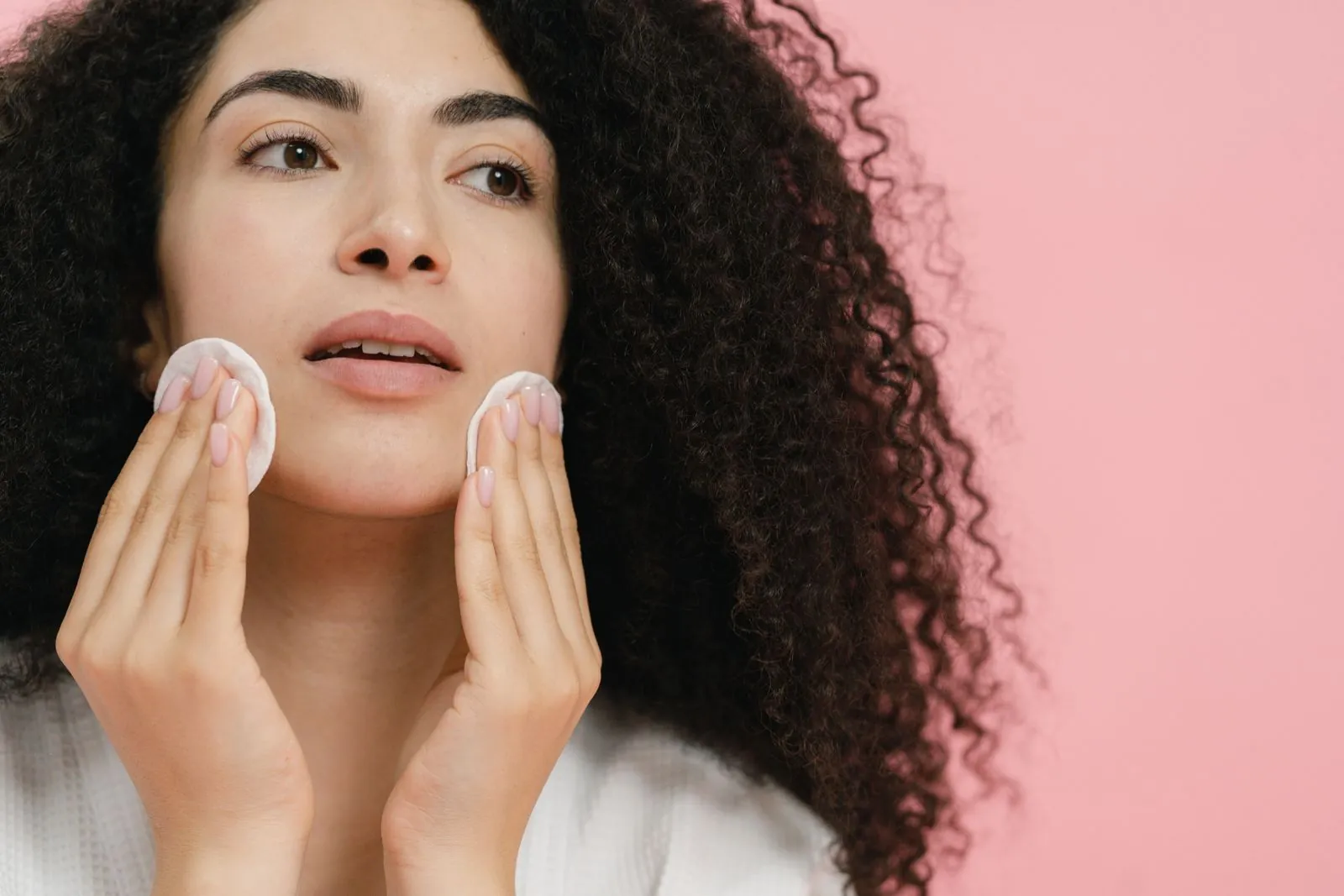
Salicylic acid is the oily-skin specialist. In the US, over-the-counter acne products contain 0.5% to 2% salicylic acid (FDA acne ingredient rules), and it also turns up in some spot stickers, which our guide to how pimple patches work, including salicylic acid patches breaks down. Sal, in other words, has a side hustle.
If you have a darker skin tone, the American Academy of Dermatology advises avoiding strong chemical or mechanical exfoliation if you notice dark spots after burns, bug bites or breakouts, because aggressive exfoliation can leave more dark spots behind (AAD). Start with a low strength, go slowly, and ask a dermatologist if marks appear.
Does AHA make your skin more sensitive to the sun?
Yes. In FDA research, four weeks of an AHA cream raised skin’s sensitivity to sun reddening by 18% and doubled sun-related cell damage on average. The effect faded within a week of stopping. The FDA recommends AHA cosmetics carry a Sunburn Alert, and daily sunscreen is the practical fix.
This is the part the top-ranking articles skip, and it’s the one I’d tattoo on Glenn’s label if he’d sit still. The FDA suggests every AHA cosmetic carry this exact wording (FDA):
“Sunburn Alert: This product contains an alpha hydroxy acid (AHA) that may increase your skin’s sensitivity to the sun and particularly the possibility of sunburn. Use a sunscreen, wear protective clothing, and limit sun exposure while using this product and for a week afterwards.”
U.S. Food and Drug Administration, Alpha Hydroxy Acids
The study behind it tested 10% glycolic acid at pH 3.5 against a placebo in 29 people, six days a week for four weeks. Treated skin burned more easily and formed more sunburn cells (Kaidbey 2003). [Puts sunscreen next to Glenn. Tapes them together. Problem solved, sort of.]
Salicylic acid looked different in the one head-to-head. In a 2009 study of 14 people, 10% glycolic acid raised sun redness, DNA damage and sunburn cells, while 2% salicylic acid “did not produce significant changes” in any of them (Kornhauser 2009). Fourteen people is a small study, so treat it as a strong hint, not the last word. The FDA still advises similar sun precautions for both acids (FDA), and I would never let Sal outside without SPF either.

Cleveland Clinic’s advice is to use glycolic acid at night and wear a broad-spectrum SPF 30 or higher by day (Cleveland Clinic). Night for the acid, morning for the sunscreen. It’s the only schedule in my life that has never slipped.
How strong should AHA and BHA products be?
For AHAs, the cosmetic industry’s safety panel says glycolic and lactic acid products are safe at 10% or less, with a pH of 3.5 or higher and sun protection. For BHA, US over-the-counter acne products contain 0.5% to 2% salicylic acid. Stronger peels belong in a dermatologist’s office, not a bathroom.
The panel’s limits are listed on the FDA’s AHA page. pH matters as much as the percentage, because a lower pH leaves more of the acid active. A 2018 review lists the factors that decide how strong and how safe an AHA product is: “concentration, pH, exposure time, and the amount of free acid present” (Tang and Yang 2018). Most labels don’t print the pH, which is rude, and I say that as someone who doesn’t print my own either.
The FDA logged 114 reports of skin reactions to AHA products between 1992 and February 2004, including burning, rashes and swelling, and says the more serious ones came “most often” from products that peel the most, such as “skin peelers” (FDA). Salicylic acid products run from 0.5% up to 30% (DermNet), and the top of that range is peel territory. Bigger number, bigger job, and not a job for Glenn, Sal or me.
Are PHAs gentler than AHAs and BHAs?
In the best comparison we found, yes. In a 12-week study, a gluconolactone (PHA) routine gave anti-aging results close to a glycolic acid (AHA) routine, with significantly less stinging and burning. PHAs are larger molecules that work more slowly on the surface, which makes them a sensible first acid for sensitive skin.
The numbers from that study: the glycolic routine beat the PHA routine on only two measures at week 12, sallowness (17.1% vs 12.4% improvement) and skin bounce (13.5% vs 10.2%). Stinging and burning were significantly worse on the glycolic routine at weeks 6 and 12 (Edison 2004). So PHA is the friend who gets you most of the way there and never makes a scene. I aspire to be that friend. I’m currently the other kind.
For breakouts, a 1992 trial in 150 people found a 14% gluconolactone lotion cut both inflamed and non-inflamed spots, like 5% benzoyl peroxide, with fewer side effects (Hunt 1992). Dermatologist Leslie Baumann, MD, notes PHAs were found about three decades ago to work like AHAs “without provoking sensory irritation reactions” (MDedge). The honest catch: the PHA evidence is thinner than the AHA and BHA evidence, and several of the studies are small. [Adds a third bottle to the shelf. Does not name it. Growth.]
Can you use AHA and BHA together?
Yes, many people can, just not both at full strength twice a day. The simplest way is to alternate: an AHA on some nights and a BHA on others. Some products already blend both at lower strengths. Scale back at the first sign of redness, stinging, tightness or peeling, and don’t stack them on top of a retinoid.
“To fight acne, wrinkles, and sun damage, there’s no reason not to combine AHAs and BHAs, although you may not want to apply them both twice daily.”
Jennifer Gordon, MD, board-certified dermatologist, Westlake Dermatology
Dr. Gordon adds that using both together can irritate skin, dry it out, and even push it to make more oil. Alternating nights is practitioner consensus, not something a trial has tested, but it’s the version most dermatologists describe. So Glenn and Sal now share the bathroom like polite roommates with a whiteboard schedule. Glenn gets Tuesday and Thursday. Sal gets Monday, Wednesday and Friday. Nobody gets Sunday, and I don’t negotiate.
The American Academy of Dermatology warns that exfoliating while you use retinoids, retinol or benzoyl peroxide “may worsen dry skin or even cause acne breakouts”, and adds: “Be careful not to over-exfoliate, as this could lead to skin that is red and irritated” (AAD). The FDA’s rule for any BHA product is to patch test first and stop if you get “prolonged stinging” (FDA). If your skin already feels tight, shiny and sore, our guide to skin barrier repair after over-exfoliating walks you through the reset.
Here’s where the bottles earn their names. The day my skin started stinging, Glenn and Sal both went into the cabinet for two weeks, and the only thing on the shelf was moisturizer and sunscreen. They came back one at a time, on their own nights, and my skin has been calmer ever since. [Closes cabinet. Tells Glenn it’s not personal. It’s a little personal.]
Frequently asked questions
Is AHA or BHA better for acne?
BHA is usually better for acne. Salicylic acid is oil-soluble, so it can work inside clogged pores, and it is an approved over-the-counter acne ingredient in the US at 0.5% to 2%.
Is AHA or BHA better for dry skin?
AHA is usually better for dry skin. Lactic acid is the gentlest common AHA, and a PHA such as gluconolactone is an even milder option for sensitive, dry skin.
Can you use AHA or BHA every day?
Some people can, once their skin is used to it. Start two or three times a week, build up slowly, and cut back if you notice redness, stinging or peeling.
Should you use AHA or BHA with retinol?
Not on the same night when you’re starting out. The American Academy of Dermatology says exfoliating while using retinoids can worsen dryness or trigger breakouts, so use them on different nights.
Is AHA or BHA safe during pregnancy?
Cleveland Clinic says glycolic acid is generally safe in low concentrations during pregnancy. Salicylic acid peels are not recommended in pregnancy. Check with your obstetrician or dermatologist before using either.
Is AHA or BHA better for dark spots?
AHA is usually the better choice for dark spots, because glycolic acid exfoliates the surface where the discoloration shows. Wear daily sunscreen, since AHAs raise sun sensitivity and sun makes dark spots darker.
Your next step
Pick one acid that matches your main concern, glycolic or lactic acid for dullness and texture, or 2% salicylic acid for clogged pores, and use it two or three nights a week for a month before adding anything else. Wear SPF 30 or higher every morning while you use it and for a week after you stop. If your skin starts stinging or peeling, read our skin barrier repair guide before you exfoliate again.

Written by the Trusted Skincare Editorial Team
We research at-home beauty devices and skin treatments and link every claim to a published study, a regulator or a named expert. Last updated Sunday 27 September 2026.
Sources
- FDA: Alpha hydroxy acids
- FDA: Beta hydroxy acids
- FDA acne ingredient rules, 21 CFR 333.310 (eCFR)
- American Academy of Dermatology: How to safely exfoliate at home
- Cleveland Clinic: Facial acids guide
- Cleveland Clinic: Glycolic acid
- Kaidbey et al. 2003, Topical glycolic acid enhances photodamage by ultraviolet light
- Kornhauser et al. 2009, Glycolic acid and salicylic acid and UV damage in human skin (Journal of Dermatological Science)
- Arif 2015, Salicylic acid as a peeling agent: a comprehensive review
- Smith 1996, Comparative effectiveness of alpha hydroxy acids on skin properties
- Edison et al. 2004, A polyhydroxy acid regimen vs an alpha hydroxy acid regimen (Cutis)
- Hunt and Barnetson 1992, Gluconolactone vs benzoyl peroxide for acne